The complaint as a gift — when it actually becomes one
Most teams resolve individual complaints reasonably well. The gift part — using complaints to identify and fix underlying problems — almost never happens because the infrastructure for it doesn’t exist.
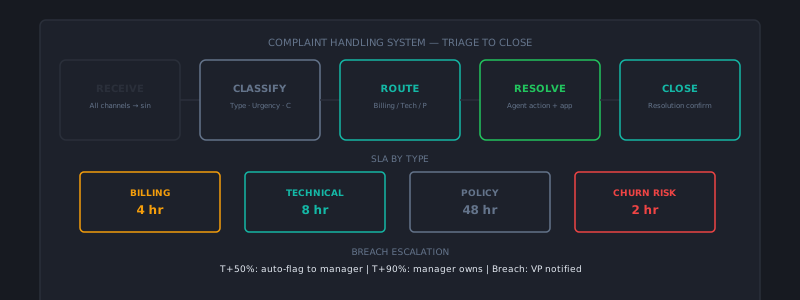
A complaint handling system that delivers on that promise needs two components: a resolution process and a learning process.
The resolution process
Acknowledge within a defined window. Not resolve — acknowledge. “We received your complaint and will have an update by [date]” buys time and signals receipt.
Assign a single owner. Every complaint has one person responsible. Not the team — a person. This prevents the bystander effect.
Set a resolution timeline and communicate it. For each complaint category, define the expected resolution timeline and communicate it to the customer. If it will take longer, proactively communicate before the deadline passes.
Close with confirmation. When resolved, contact the customer to confirm they consider it resolved. A complaint the team considers resolved but the customer doesn’t is an active churn risk.
The learning process
Monthly, analyze your complaint log:
- What categories account for the most complaints?
- Which categories increased from last month?
- For the top three categories: what is the root cause, and what would it take to eliminate that category entirely?
Assign an owner to each root-cause investigation. Set a 30-day deadline for a recommended fix. Track whether the fix reduces the complaint rate in that category over the following 60 days.
This is how a complaint system moves from reactive (resolve the individual complaint) to proactive (eliminate the category). AI-first platforms like AItocha CX can auto-tag and route complaint categories before a human ever touches them.